Understanding the Stages of Gum Disease and Treatment Options
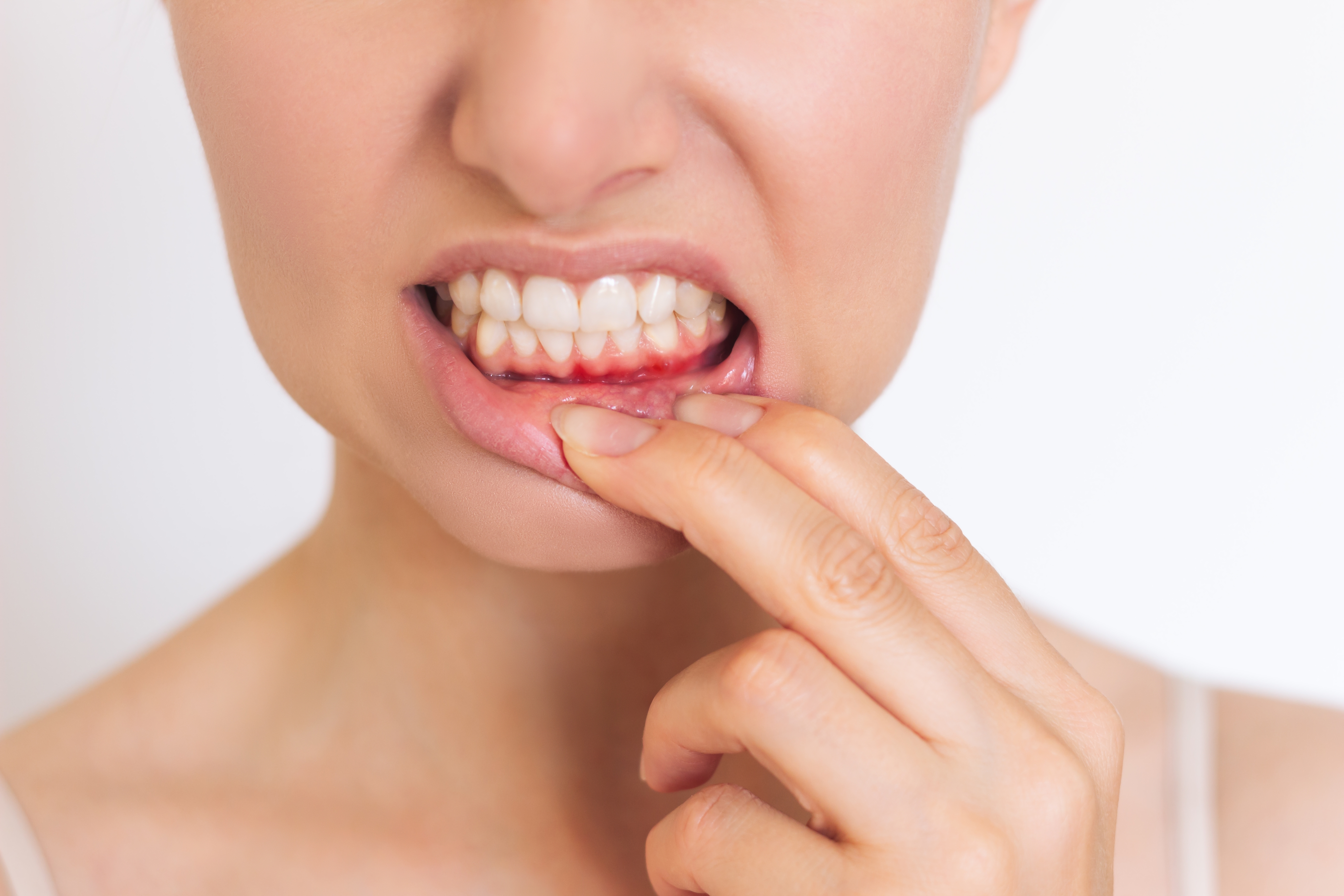
Gum disease can start quietly, which is why many people do not realize there is a problem until symptoms become more noticeable. At Dr. Sam’s Premier Dentistry in Sherman, Texas, we help patients understand where they are in the progression of gum disease and which periodontal treatment options may help protect their teeth and gums.
Stage One - Gingivitis
The earliest stage of gum disease is gingivitis. At this point, the gums may look red or swollen and may bleed during brushing or flossing. Bad breath can also develop. Gingivitis affects the soft tissue around the teeth, but it has not yet caused the deeper bone and attachment loss seen in more advanced periodontal disease.
Because gingivitis is the mildest stage, treatment is often more straightforward when it is caught early. Professional dental cleanings and improved home care habits can often help reduce bacteria and inflammation before the condition progresses.
Stage Two - Early to Moderate Periodontitis
When gum disease moves beyond gingivitis, it becomes periodontitis. At this stage, bacteria can begin affecting the tissue and bone that support the teeth. Pockets may form between the teeth and gums, creating spaces where plaque, tartar, and bacteria collect below the gumline. Patients may notice more bleeding, gum tenderness, gum recession, bad breath, or changes in how their teeth feel.
Patients with this stage of gum disease often benefit from more than a routine cleaning. A deeper periodontal cleaning may be recommended to address buildup below the gumline and help calm inflammation.
Stage Three - Advanced Periodontitis
Advanced periodontitis can lead to deeper gum pockets, loose teeth, shifting teeth, receding gums, and ongoing inflammation. Once the supporting structures are more seriously affected, gum disease becomes harder to manage without more involved treatment. This is why early diagnosis matters.
Common Treatment Options
Treatment depends on how far gum disease has progressed. Periodontal therapy may include:
- Professional dental cleanings for mild gum inflammation
- Scaling and root planing to remove bacteria and buildup below the gumline
- Antibiotics in selected cases
- Nightguards or bite-related support when grinding contributes to gum issues
- Surgical treatment for advanced periodontal disease
- Soft tissue grafting for areas of gum recession
- Pocket reduction procedures when deep pockets need to be reduced
Why Early Treatment Matters
Gum disease is not only a dental concern. Untreated periodontal disease may be associated with broader health risks because ongoing gum inflammation has been linked to conditions such as diabetes and cardiovascular disease. It can also make blood sugar harder to manage in some patients, which is one reason early diagnosis and treatment are so important. Just as importantly, early treatment can help preserve the support around your teeth and reduce the likelihood of tooth movement or tooth loss.
Take the next step toward healthier gums with Dr. Sam’s Premier Dentistry. Visit our office in Sherman, Texas, or call (903) 708-6400 today